Italy · City guide
Rome
Ancient landmarks, huge piazzas, fountains, late dinners and a city centre that is best explored on foot. This is my starting point for planning Rome without trying to force every major sight into one day.
How I would plan it
Give Rome room.
Rome works better when you group sights by area rather than racing from one landmark to another. The historic centre is extremely walkable, so build in time for the streets between the main stops rather than treating them as dead time.
I would keep the Colosseum and ancient Rome together, use another part of the day for the Pantheon and Trevi Fountain, and give Vatican City its own proper block of time. Leave at least one evening relatively unplanned so you can stay out for dinner and walk the centre once the daytime crowds thin out.
First stops
Colosseum
One of Rome’s essential stops, but also one of the best parts of the city to revisit after sunset when the arches are illuminated.
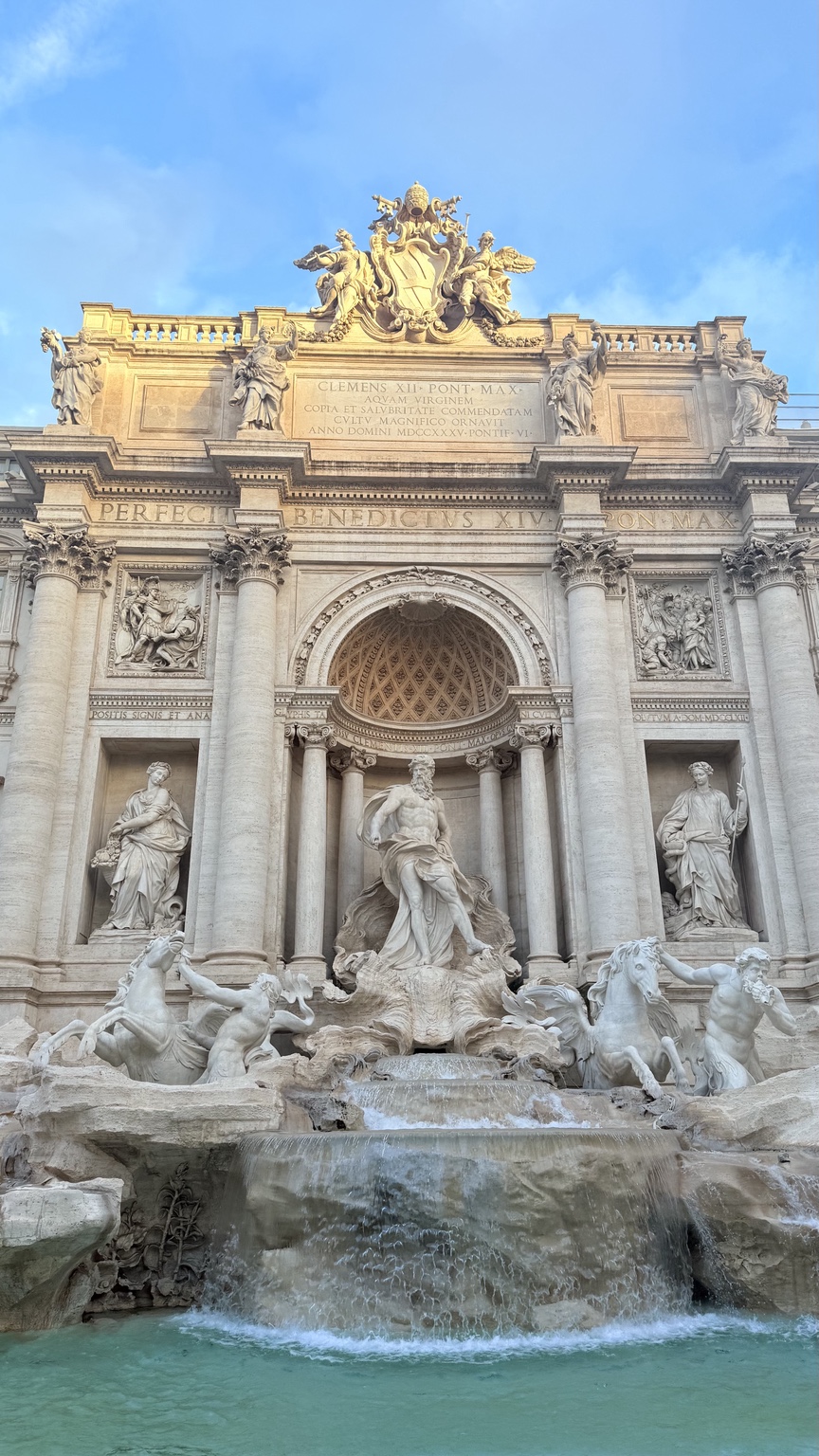
Trevi Fountain
Go for the scale and detail rather than expecting a quiet moment. Early morning is the best option if you want it noticeably calmer.
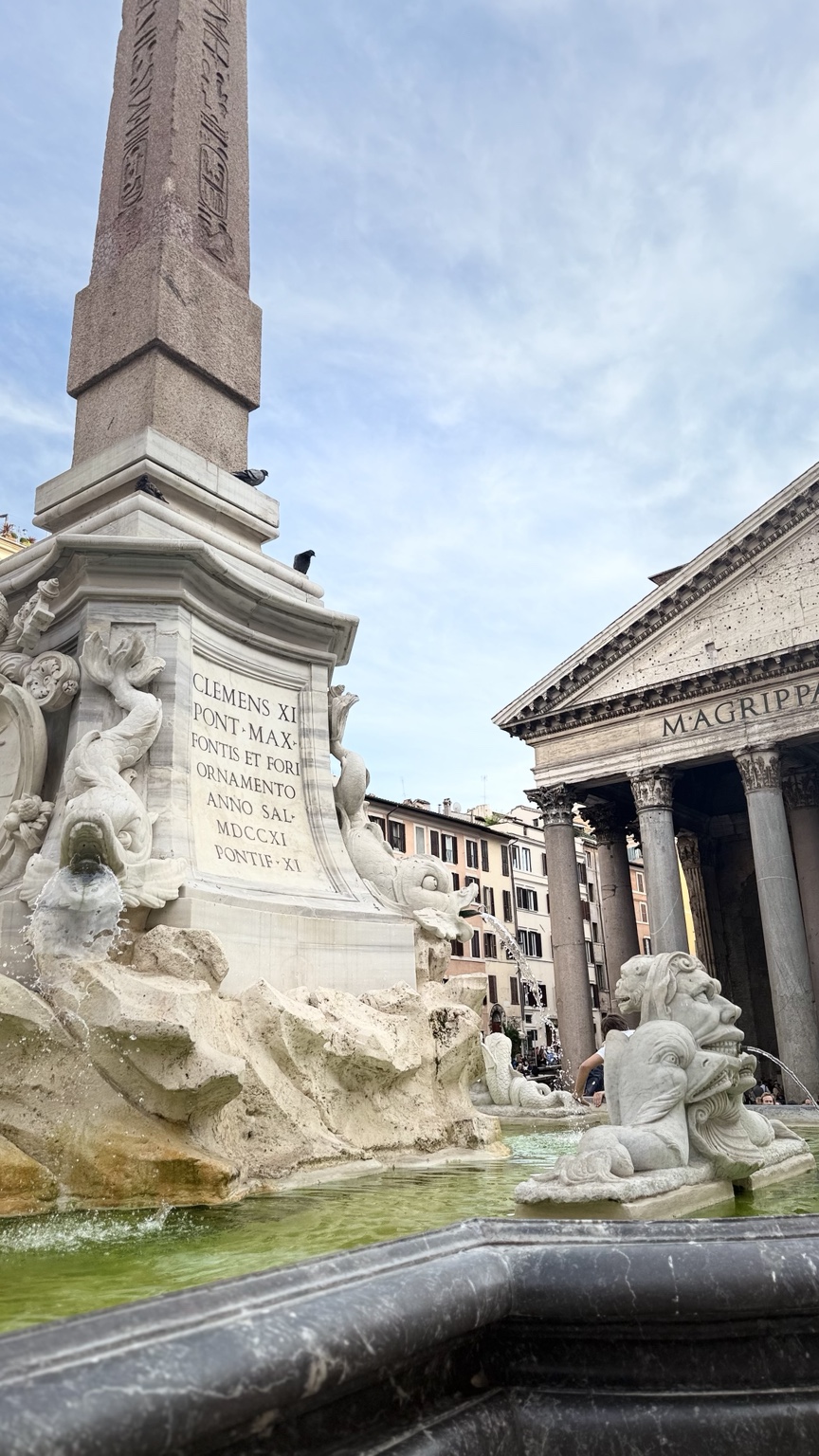
Pantheon
A compact part of the historic centre that is easy to combine with the surrounding piazzas, fountains and streets on foot.
Vatican City
Allow proper time for the Vatican rather than squeezing it into the middle of a busy sightseeing day, especially if museums and interiors are a priority.
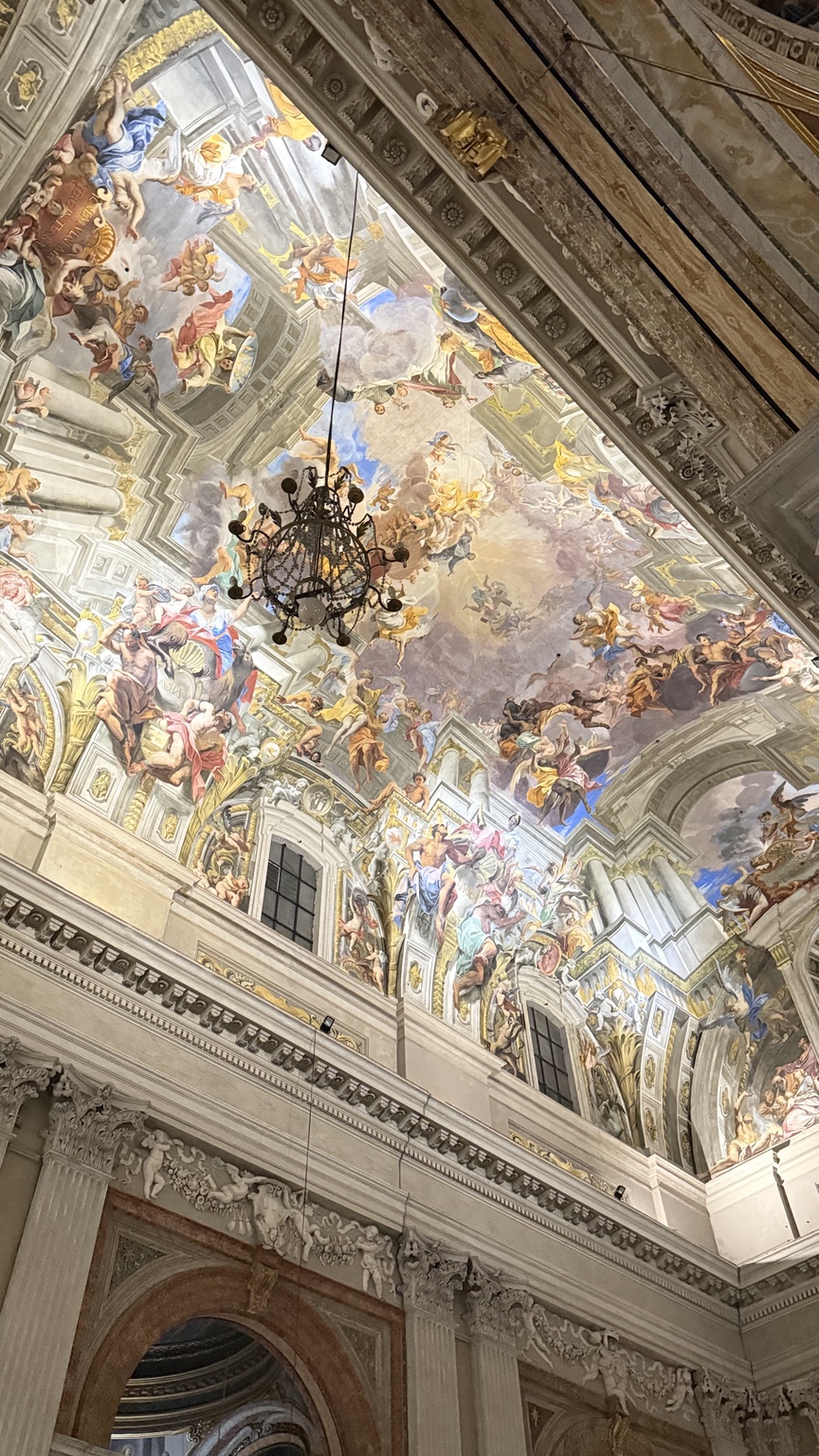
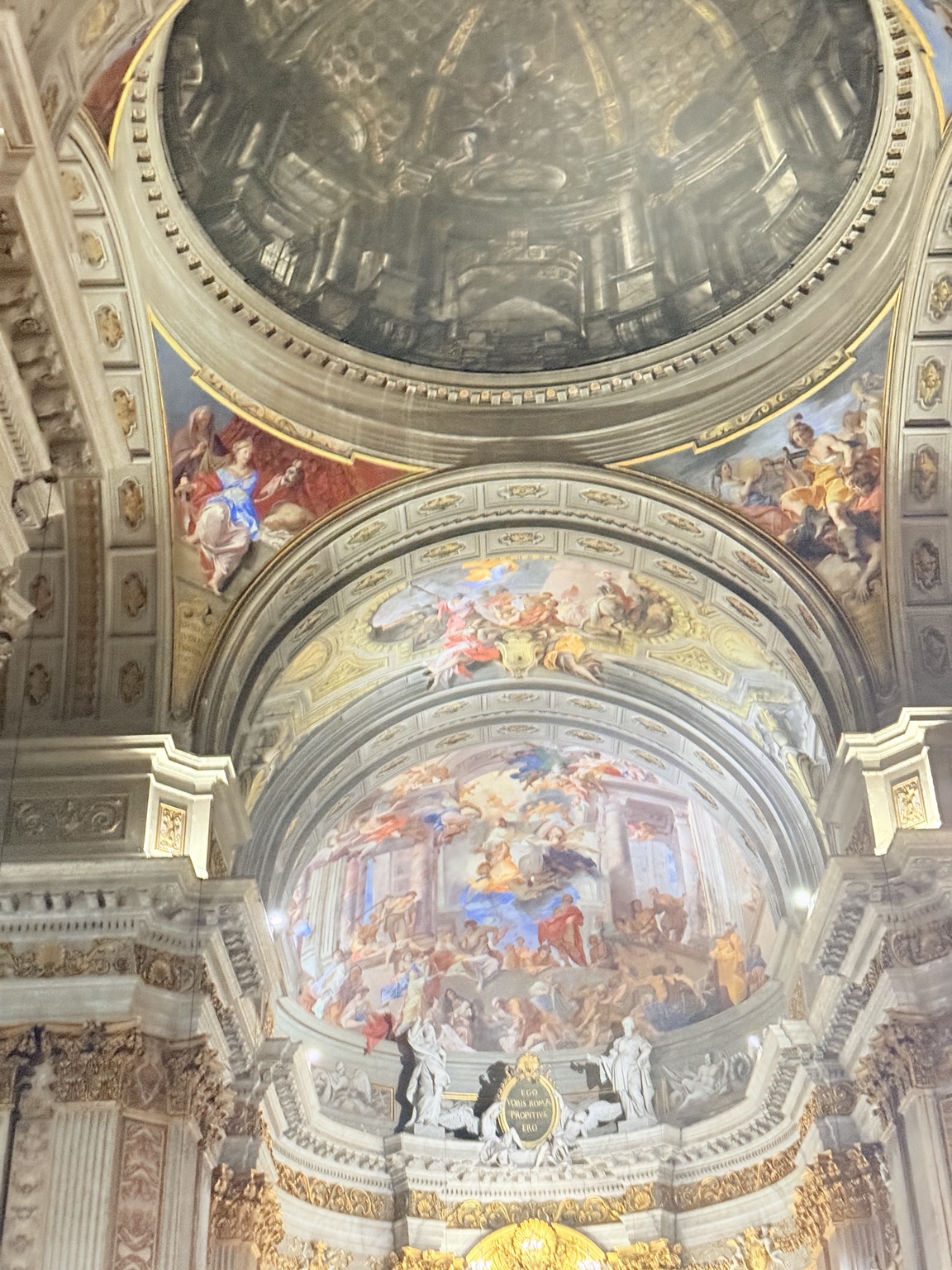
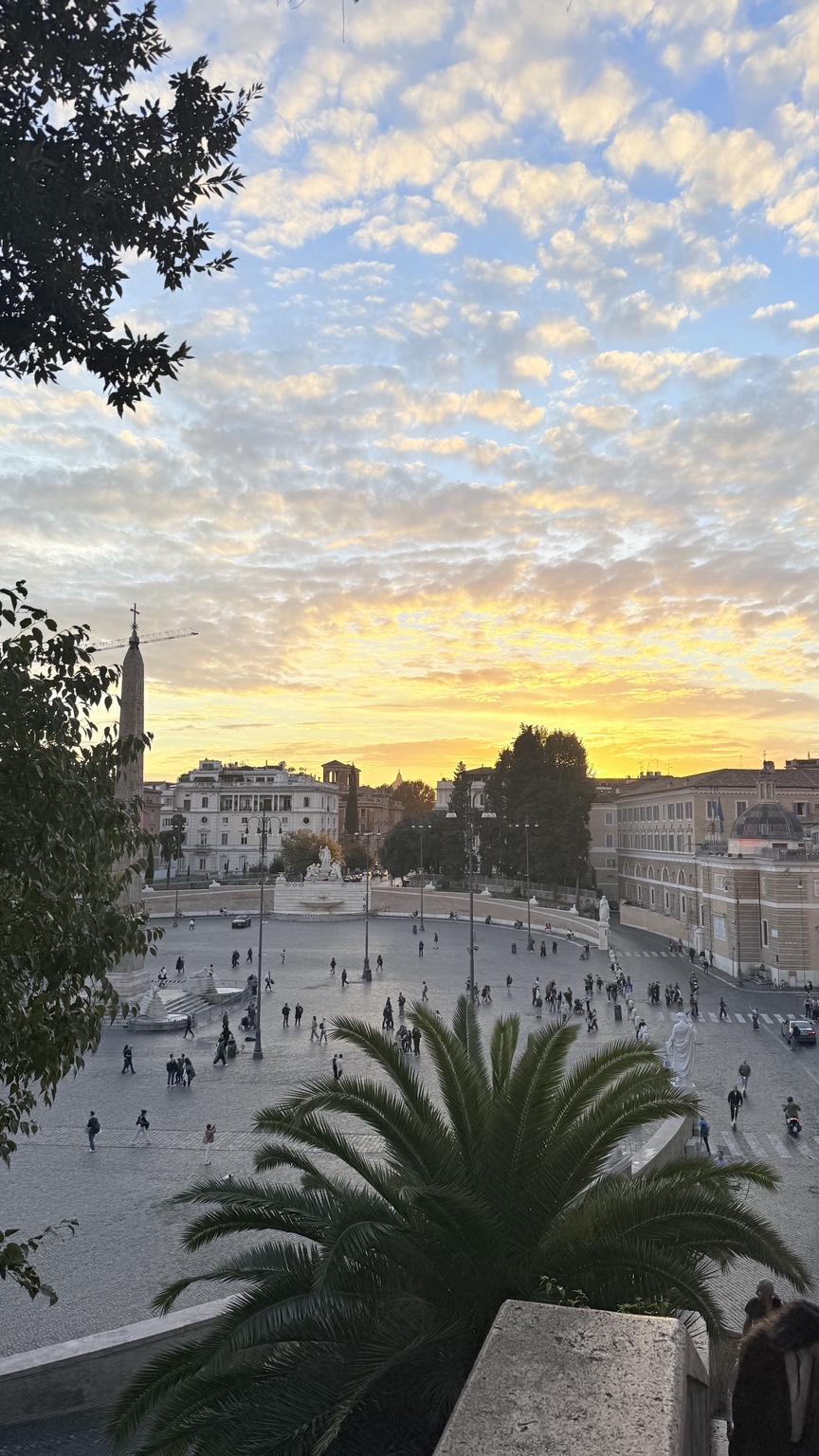
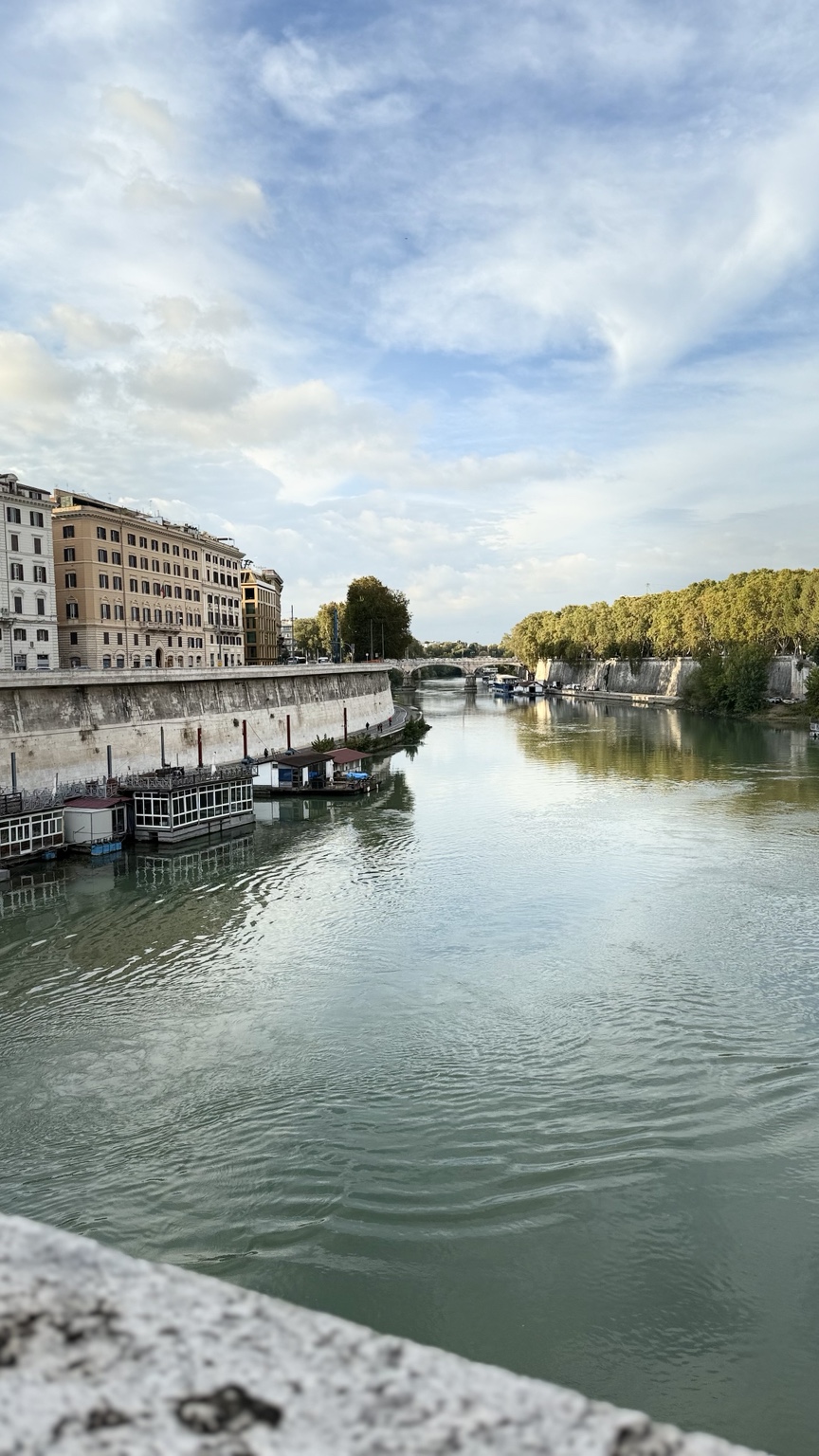
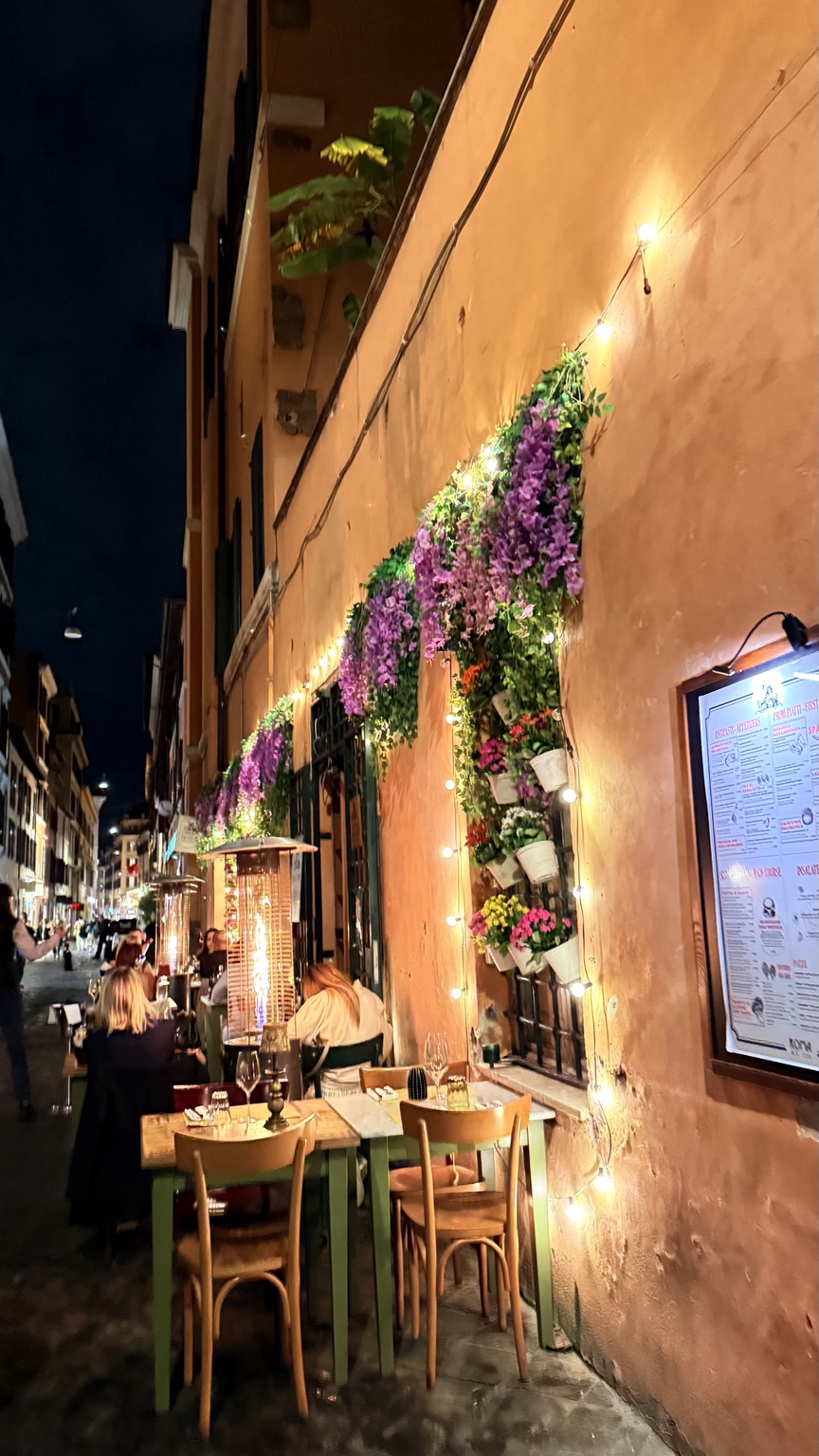
Rome in photographs


Best for
A city break built around history, architecture, long walks and evenings that feel completely different once the major sightseeing rush is over.